

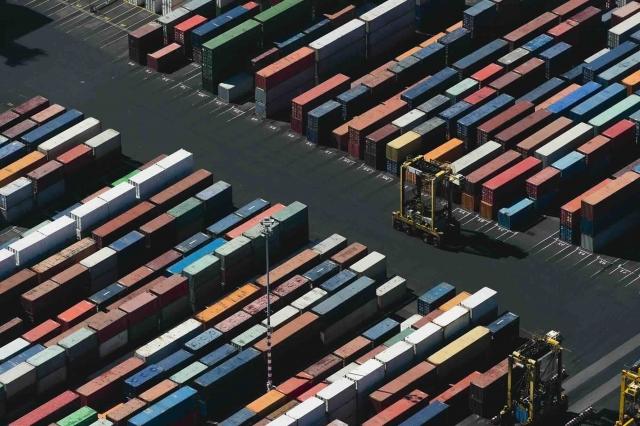
When you think of Southeast Asia, what comes to mind? Maybe beaches, street food, or colorful markets. But behind the scent of lemongrass and the hum of motorcycles, there's something else humming — trade. A constant rhythm of exports leaving ports, factories running overtime, and supply chains that connect the region to every corner of the world.
ASEAN isn't just a tourist destination; it's a trade engine. And in 2025, this ten-nation bloc continues to punch above its weight in global exports. Let's unpack the top 10 ASEAN export powerhouses — the who, the what, and the why — and see what their core commodities say about the region's economic heartbeat.
1. Vietnam – The New Workshop of the World
Vietnam has evolved from a textile exporter into one of Asia's top electronics and manufacturing hubs. Its rise is no accident — decades of investment in infrastructure, trade agreements, and workforce training have paid off.
Walk through industrial zones outside Hanoi or Ho Chi Minh City, and you'll see container trucks filled with electronics, smartphones, and machinery parts. Vietnam's key exports include:
-
Electronics and components
-
Smartphones and accessories
-
Footwear and garments
Why it matters: Vietnam's growth shows how adaptability fuels export success. When global brands sought alternatives to China, Vietnam was ready with skilled labor and reliable logistics. For businesses, it's a case study in positioning for opportunity — not waiting for it.
2. Singapore – The Smart Gateway
Singapore might not have vast farmlands or mining zones, but what it lacks in raw materials, it makes up for in brains, systems, and speed. It's the logistics and re-export hub of ASEAN — the place where goods are stored, refined, processed, and shipped again with precision.
Singapore's exports center on:
-
Electronics and integrated circuits
-
Refined petroleum and chemicals
-
Pharmaceutical products
Why it matters: Singapore proves that efficiency can be an export in itself. Its ports and digital systems are so advanced that “Made in Singapore” often means “Perfectly Handled in Singapore.” For anyone in business, it's a reminder that value doesn't always come from what you produce — it can come from how you move it.
3. Malaysia – Dual Engines: Tech and Palm Oil
Malaysia's export strength runs on two engines — high-tech manufacturing and natural resources. From Penang's semiconductor factories to Sabah's palm oil plantations, the country bridges industrial and agricultural power like few others can.
Key exports include:
-
Electrical and electronic goods
-
Palm oil and palm oil-based products
-
Petroleum and liquefied natural gas
Why it matters: Malaysia is a lesson in diversification. Its economy doesn't rely solely on tech or commodities — it thrives on both. For global supply chains, this balance provides resilience. For writers and strategists, it's a story of contrast — silicon chips and palm fronds coexisting in one export narrative.
4. Thailand – Cars, Circuits, and Cuisine
Thailand is an export all-rounder. Its ports ship cars, its factories build hard drives, and its fields supply the world's rice. The country's industrial depth keeps it near the top of ASEAN's export rankings.
Core commodities:
-
Automobiles and auto parts
-
Electronics and appliances
-
Agricultural products (rice, seafood, rubber)
Why it matters: Thailand shows how consistency builds credibility. Even as global demand shifts, its auto industry remains solid, its food exports reliable. It's a country that turned “Made in Thailand” into a mark of quality — something any brand can learn from.
5. Indonesia – The Resource Giant
Indonesia's export story begins deep underground and high among the palm trees. With its vast natural resources, it remains a top global supplier of raw materials. Yet it's now moving steadily into refining and downstream industries.
Main exports:
-
Palm oil
-
Coal and metals (nickel, tin, copper)
-
Textiles and footwear
Why it matters: Indonesia's story is one of transformation — from resource exporter to value-added manufacturer. It's learning to turn commodities into finished goods, and that shift is where real long-term competitiveness lies. In business terms, it's moving from selling ingredients to serving the full meal.
6. Philippines – People and Products
The Philippines has always been known for its service exports, but its goods exports also hold weight — especially electronics and semiconductors. The nation's growing middle class and English-speaking workforce make it a regional favorite for manufacturing and assembly.
Top exports:
-
Semiconductors and electronic parts
-
Processed food and agricultural products
-
Machinery and transport equipment
Why it matters: The Philippines bridges human talent with manufacturing potential. Its export edge isn't just in what it ships, but in the skill and reliability of its workforce — an overlooked but powerful competitive factor.
7. Cambodia – The Rising Stitcher
Cambodia's export scene is simpler but fast-growing. For years, its garment and footwear factories have powered economic growth. With new investments in light manufacturing, the country is expanding its export mix.
Key exports:
-
Garments and textiles
-
Footwear
-
Bicycles and basic machinery
Why it matters: Cambodia proves that every export journey starts somewhere. Its low labor costs and improving trade policies attract factories moving out of higher-cost countries. For small economies, it's a template for climbing the manufacturing ladder one rung at a time.
8. Myanmar – Untapped Potential
Despite political and infrastructure challenges, Myanmar holds substantial export potential in natural gas, agriculture, and mining. Its rivers, fields, and underground reserves give it the raw materials the world still needs.
Main exports:
-
Natural gas
-
Agricultural produce (beans, rice, pulses)
-
Gems and minerals
Why it matters: Myanmar's situation is complex, but its potential remains. For businesses and analysts, it's a case study in unrealized value — a reminder that geography and resources are enduring assets, waiting for stability to unlock them.
9. Brunei Darussalam – The Energy Specialist
Small in size but rich in energy, Brunei's exports rely almost entirely on oil and gas. With one of the highest per-capita incomes in the region, the country is now exploring ways to diversify beyond hydrocarbons.
Key exports:
-
Crude oil
-
Liquefied natural gas
-
Refined petroleum products
Why it matters: Brunei teaches us that specialization can sustain prosperity, but long-term resilience requires diversification. For any business model, the takeaway is clear — what brings success today might need reinvention tomorrow.
10. Laos – Powering the Neighbors
Landlocked Laos might seem quiet compared to its bustling neighbors, but it has one unique advantage: rivers. The country exports electricity generated from hydropower dams to Thailand, Vietnam, and beyond.
Core exports:
-
Electricity (hydropower)
-
Minerals and metals
-
Agricultural goods
Why it matters: Laos reminds us that even geography can be monetized creatively. Turning natural flow into exportable energy shows how a nation can find its niche — not by competing head-on, but by leveraging what's inherently its own.
What We Learn from ASEAN's Export Mix
Each ASEAN country tells a different story, but together they illustrate a shared truth: diversity drives resilience.
Where Vietnam and Malaysia ride the tech wave, Indonesia and Malaysia feed the world's demand for energy and palm oil. Thailand keeps cars moving. The Philippines powers electronics and services. Cambodia and Laos show the strength of emerging manufacturing and energy exports.
In a global economy that shifts faster than monsoon weather, this diversity is ASEAN's real export advantage.
Practical Takeaways for Business and Content
Writing about exports isn't just for economists. Every marketer, strategist, or entrepreneur can draw lessons from this list.
-
Find your niche, then scale it.
Just like Laos turned rivers into electricity, find what your business does uniquely well and export that. -
Diversify smartly.
Malaysia didn't abandon palm oil when it built semiconductor plants — it balanced both. Dual strengths make an economy (or business) steadier. -
Be ready when opportunity knocks.
Vietnam's success came from readiness. When supply chains shifted, factories were already waiting. Preparation beats prediction every time. -
Turn efficiency into a brand.
Singapore doesn't make everything, but it moves everything — flawlessly. Processes can be your product. -
Tell the human story.
Whether it's a fisherman exporting shrimp or a technician assembling circuit boards, people make trade happen. Stories about them make your writing relatable and memorable.
Final Thoughts
ASEAN's export powerhouses aren't just moving goods — they're moving stories, opportunities, and futures. Behind every shipping container lies an idea, a factory, a community, a choice that shaped what gets sent out to the world.
If you're building content, strategy, or partnerships around trade, take a cue from this region: keep it diverse, adaptable, and human. Because trade, at its core, isn't about numbers. It's about connections — between people, products, and possibilities.
Move with confidence—across ASEAN.
Tap verified ASEAN import and export data on import-export-data.com to turn HS codes into executable steps. Share your HS list and we'll map it across customs records in Indonesia, Malaysia, Philippines, Singapore, Thailand, Vietnam, Brunei, Cambodia, Laos, and Myanmar—then surface what drives decisions: contactable buyers and suppliers by country, active lanes and volumes (intra-ASEAN and global), Incoterms in use, and comparable price bands ($/kg, local currencies & USD). Benchmark across member states, spot seasonality and risk, and negotiate with evidence—not guesses.